
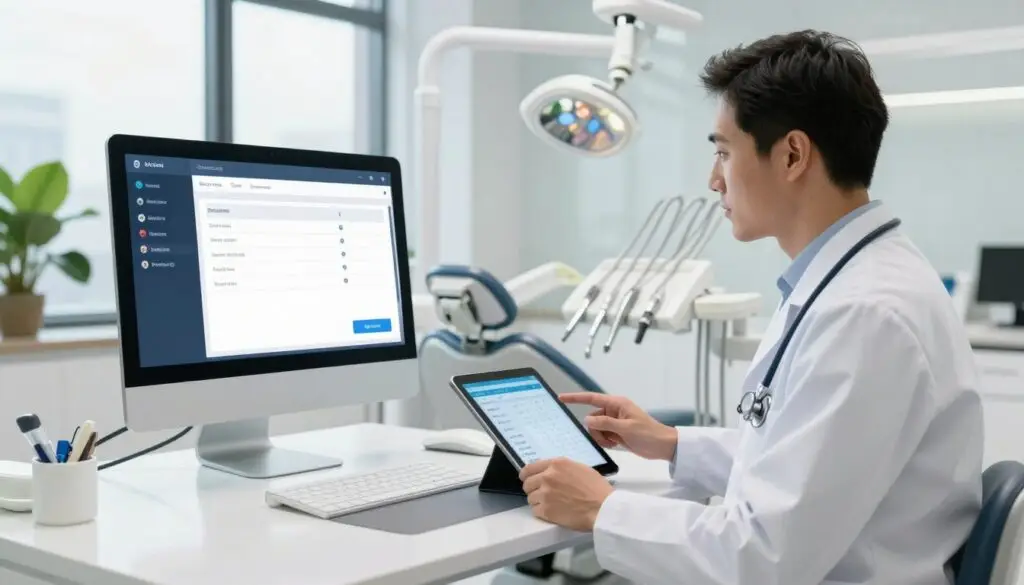
Running a small dental clinic in the United States is a constant balancing act. You are dedicated to providing excellent patient care, but administrative tasks can consume valuable time. This juggle between clinical duties and office management is a common challenge.
I have designed this guide to show how modern technology can support your team. The goal is to enhance your office’s workflow, not replace the essential human connection your patients value. By automating routine calendar management, you can ensure consistent, high-quality service.
This article explores how intelligent tools can transform your daily operations. You will learn to streamline processes and focus on the clinical work you were trained to perform. We will cover integrating these systems to improve profitability while upholding professional standards.
Key Takeaways
- Small dental offices often struggle to balance patient care with administrative duties.
- Modern technology can significantly support your staff without removing the human element.
- Automating routine tasks leads to more consistent service for your clients.
- Streamlining your workflow lets you concentrate on clinical dentistry.
- Integrating new systems can boost your bottom line and maintain high professional standards.
- This guide provides a clear path to understanding and implementing these tools.
- The right approach can transform how your practice manages its daily schedule.
Introduction to AI Appointment Scheduling in Dental Practices
Today’s dental professionals face the challenge of meeting diverse patient needs while constrained by legacy phone-based systems. Modern practice management requires this careful balance. Complex care requests often get lost in traditional workflows.
Intelligent appointment booking acts as a round-the-clock digital assistant. It handles inquiries and manages the calendar, ensuring no opportunity slips away. This is far more advanced than a basic online form.
These systems use natural language processing to understand specific requests. A patient might need a filling repair or a routine cleaning. The technology interprets this need accurately during the initial interaction.
By automating this first contact, the platform reserves the correct amount of time for every service type. Your staff is freed from repetitive, rules-based tasks. They can then focus on meaningful conversations and clinical support.
This shift allows your team to engage in high-value interactions with patients. The administrative burden on the front desk lightens significantly. The result is a smoother operation that serves both patients and practitioners better.
The Evolution of Appointment Scheduling in Small US Dental Clinics
In the past, booking a dental visit was a process confined to office hours and reliant on phone calls. This method often led to missed calls and frustrated staff. Many opportunities simply vanished when the front desk was busy.
I’ve observed that numerous local clinics still operate with systems designed decades ago. Their teams juggle insurance verification and incoming calls simultaneously. This creates a significant bottleneck during peak hours.
Patient behavior has shifted dramatically. Individuals now expect to secure a time slot instantly, even during evenings or weekends. When a practice cannot provide this 24/7 access, patients frequently move on.
They will book with a competitor who offers immediate confirmation. This evolution highlights a clear necessity. Moving away from manual, phone-dependent workflows is no longer optional for maintaining a competitive edge.
AI appointment scheduling for dentists: Enhancing Operational Efficiency
One of the biggest hurdles to smooth clinic operations is the relentless task-switching demanded of administrative staff. This constant shift in focus fragments the day and slows everything down.
By automating the entire appointment lifecycle, you can reclaim a substantial amount of time. Data shows clinics often recover 15 to 25 staff hours every week previously lost to manual phone tag and follow-up.
Consider a typical practice managing 40 bookings daily. Intelligent automation can save nearly 9.3 hours of manual work each day. This is time your team gets back instantly.
This dramatic reduction in administrative burden is transformative. Your staff can dedicate their energy to in-clinic coordination and delivering personalized patient care. They move from managing the calendar to managing the patient experience.
When the system handles routine scheduling, the overall workflow becomes far more predictable. The fatigue that comes from constant interruptions fades. Your office runs on a steadier, more efficient rhythm.
24/7 AI-Powered Reception and Online Booking
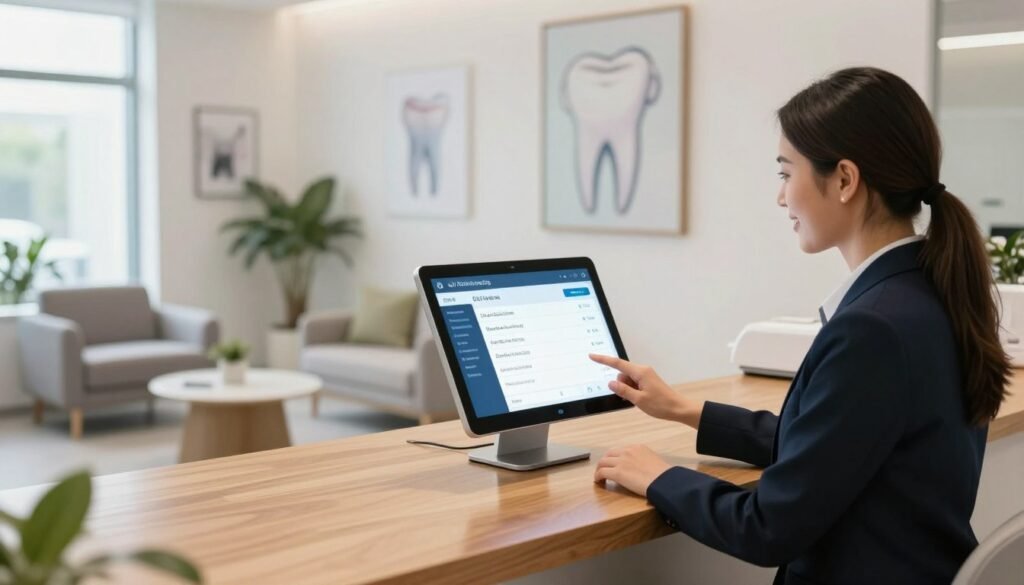
Locking your clinic’s doors at 5 PM shouldn’t mean closing your calendar to new business. I’ve found that approximately 40-50% of patient contact attempts happen outside standard business hours. This represents a significant volume of potential revenue that simply vanishes into voicemail.
An intelligent, always-available receptionist changes this dynamic completely. It ensures every call is answered instantly, capturing over 90% of those after-hours requests. Your practice becomes accessible around the clock without extending your team’s workday.
Research clearly shows a shift in preference. About 67% of patients now favor online booking over calling. It provides a convenient, self-service way to manage their care. Patients can secure appointments from home in the evening or during a lunch break.
This system does more than just answer the phone. Real-time calendar updates happen instantly with every interaction. This accuracy prevents the double-booking issues common in manual systems. Your staff sees a perfectly synchronized schedule each morning.
The result is a fundamental shift. You move from a service limited by hours to one defined by constant access. When patients book on their terms, you capture more opportunities and serve them better.
Reducing Front Desk Workload Through Automation
Calculating the true cost of manual scheduling reveals a significant opportunity for financial and operational improvement. I’ve seen that automating routine front desk duties can unlock an annual value of $27,000 to $36,000 for a typical practice. This comes from effectively reallocating your staff time to higher-value activities.
For every single appointment, your team typically invests 20 to 30 minutes. This covers the initial booking, confirmation calls, and managing rescheduling requests. These repetitive tasks add up quickly throughout the day.
By offloading 70-80% of this volume to an intelligent system, your staff gains crucial bandwidth. They can shift their focus to complex patient needs that genuinely require a human touch. The technology handles the heavy lifting of data entry, ensuring records update instantly without manual intervention.
This transition fundamentally changes your front desk role. It begins to operate more like a concierge service. The result is a dramatic improvement in the overall patient experience and retention rates, which directly supports your clinic’s growth.
Integrating AI with Your Dental Practice Management System
The true power of modern booking tools lies in their direct connection to your core practice management software. This integration ensures smooth data flow across your entire office.
These systems work seamlessly with platforms like Open Dental, Dentrix, Eaglesoft, and Curve Dental. Real-time synchronization keeps your calendar perfectly updated.
The technology delivers a 99.2% accuracy rate for managing bookings. This far exceeds the 94-96% rate common with manual scheduling.
Bidirectional integration is essential. It reads live availability from your practice management tools and writes new appointments back instantly.
All patient data stays within the secure environment of your existing software. This approach prevents errors that cause calendar conflicts.
Your team enjoys reliable availability and consistent appointment slots. This foundation supports seamless daily operations.
Enhancing Patient Communication and Engagement
Modern patients expect more than just clinical expertise. They seek a personalized and responsive experience from their healthcare providers.
Personalized engagement is achieved by using historical data. The system can tailor pre-visit instructions or follow-up message content based on a patient’s last visit.
This makes reminders feel relevant and caring rather than generic. Automated tools can answer common questions about office hours or services instantly.
This provides the immediate response that today’s patients expect. Intelligent SMS workflows allow the system to send specific documents during a conversation.
It might share a rate sheet based on the context of the discussion. This level of communication builds significant trust.
It shows your clinic values the individual needs of every person who walks through your door. Effective dialogue keeps patients informed and engaged between visits.
Handling routine questions automatically frees your team for complex conversations. A thoughtful message can turn a simple appointment reminder into a touchpoint that strengthens your relationship.
When scheduling feels seamless and communications feel personal, patient loyalty naturally increases. Your practice demonstrates that it listens and adapts to serve them better.
Streamlining Administrative Tasks and Reducing No-Shows
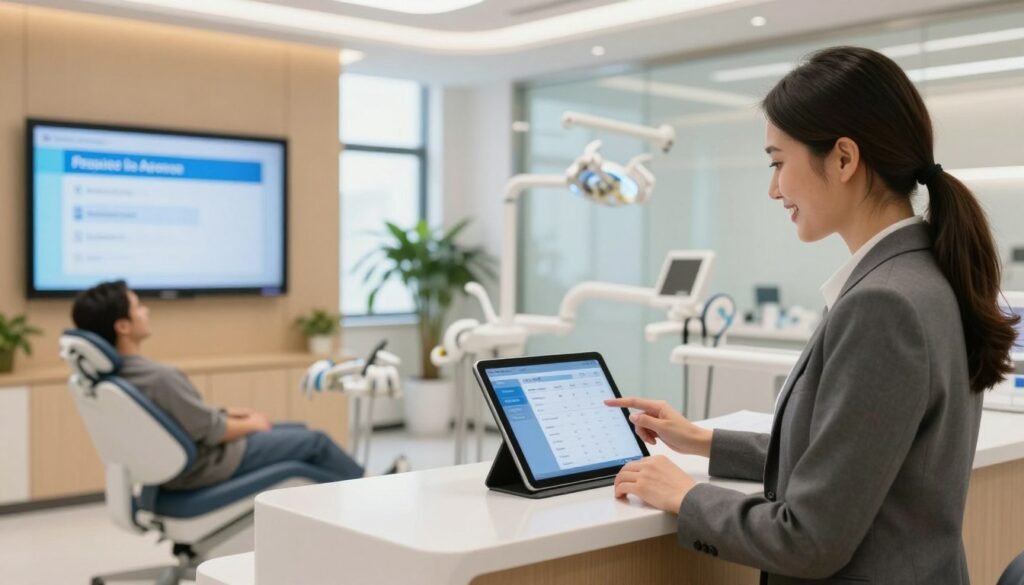
Empty chair time is a silent drain on a clinic’s productivity and revenue. I’ve seen how last-minute changes can disrupt an entire day’s workflow.
Automated systems tackle this by sending a sequence of reminders via text, email, and voice calls. This multi-touch approach cuts missed visits by 30-40%.
Requiring a confirmation 24 hours before a visit is crucial. If a patient cannot make it, that slot is instantly freed for others on a waitlist.
When cancellations do occur, the response is immediate. The platform texts the first few patients on the waitlist to fill the opening within minutes.
This proactive method helps practices recover 60-80% of cancelled slots. Manual calling only recovers 20-30%.
Easy, one-click rescheduling options are also key. They prevent the “forget to cancel” habit that leads to empty chairs. Patients appreciate the simple way to adjust their plans.
| Metric | Manual Process | Automated System |
|---|---|---|
| No-Show Reduction | Baseline | 30-40% improvement |
| Cancellation Slot Recovery | 20-30% | 60-80% |
| Time to Fill a Cancelled Slot | Hours or Days | Minutes |
Consistent reminders and smart waitlist management turn potential losses into kept appointments. Your team spends less time chasing confirmations and more time providing care.
Cost Optimization and Resource Allocation for Small Clinics
Predictable monthly costs allow small clinics to plan for growth with confidence. I’ve seen that setting a maximum for receptionist minutes keeps your operational budget firmly in check.
This cap turns a potential variable expense into a fixed, manageable one. You avoid surprise charges and can forecast your business expenses accurately each month.
Resource allocation improves by identifying peak usage time. You can adjust your business processes to match seasonal fluctuations in demand.
The system lets you reserve specific slots for high-value procedures. Meanwhile, it handles routine cleanings and exams automatically.
This strategic approach ensures your most precious resource—time—is spent on activities that directly grow your practice. Your team focuses on complex care instead of manual scheduling.
For your patients, this means consistent access and smoother booking. They get the right appointment type without front desk delays.
Optimizing your practice budget isn’t about cutting corners. It’s about smart investment in tools that serve your patients and your business goals.
You gain more control over daily operations and long-term financial health. Every minute saved is time reinvested into better care.
Best Practices and Implementation Strategies for AI Scheduling Tools
A successful rollout of automated booking hinges on careful planning and clear communication with your team. I recommend a phased approach to avoid overwhelming your staff.
Basic online setup typically takes one to two weeks. Full automation for a practice requires three to four weeks for complete integration. This allows for thorough testing.
Start with a soft launch. Let your existing patients book first before opening the system to new patients. This builds team confidence with the new workflow.
Training is essential. Your staff must know how to override automated booking or manually add someone to a waitlist. Maintaining control over the calendar is key.
Configure your appointment types and durations carefully. For example, set 60 minutes for an adult cleaning. Accurate time slots ensure smooth daily scheduling.
Monitor booking analytics regularly. Trends help you refine rules so the system learns your clinic’s specific needs. This optimizes real-time availability.
| Implementation Phase | Timeline | Key Action |
|---|---|---|
| Initial Setup & Configuration | Week 1-2 | Define all appointment types and durations. |
| Soft Launch (Existing Clients) | Week 3 | Enable booking for current patients only. |
| Full Launch & Analytics Review | Week 4+ | Open to new patient leads and monitor data. |
This structured strategy ensures a smooth transition. Your team adapts without stress, and your patients enjoy a better booking experience from day one.
Conclusion
Adopting intelligent calendar management marks a pivotal shift toward a more resilient dental practice. This strategic move helps small clinics reclaim lost time and revenue.
By automating the appointment booking process, you ensure your practice remains accessible to patients 24/7.
The reduction in missed visits and improvement in schedule density provide a significant return on investment. Your team can focus on delivering excellent care while the technology handles administrative tasks.
I encourage you to see how these tools transform daily operations. Visit our website to request a free demo today. Taking this step will allow your future self and your patients to appreciate the increased convenience.
Your practice will operate with fully optimized, automated efficiency.