
The landscape of modern dentistry is shifting. In my experience across the United States, a new wave of digital integration is reshaping how clinics operate. This change is especially powerful for smaller practices looking to stay competitive.
Advanced computational systems are now automating complex diagnostic and administrative workflows. For a small dental clinic, this means gaining access to a level of precision that was once out of reach. These innovations directly improve daily practice operations and patient outcomes.
My goal here is to provide a clear, neutral analysis. I will explore how specific digital solutions can streamline your clinical and business processes. Understanding this technology is the first step toward optimizing your clinic for long-term success.
By embracing these advancements, you ensure your practice remains at the forefront of clinical excellence. It’s about working smarter, not harder, to manage the complexities of today’s dental market.
Key Takeaways
- Digital integration is essential for modern orthodontic practices to stay competitive.
- Advanced systems automate complex tasks, saving time and reducing errors.
- Small clinics can achieve a new level of precision in diagnosis and planning.
- Implementing these solutions supports both clinical excellence and business growth.
- Streamlining workflows leads to improved efficiency and higher patient satisfaction.
- Understanding the available technology is the first step toward practice optimization.
Exploring AI Tools for Orthodontic Treatment Planning
Modern clinics now leverage computational power to transform patient scans into actionable clinical data. This digital approach enhances two critical areas: creating detailed therapeutic roadmaps and ensuring appliance accuracy.
Streamlined Treatment Planning and 3D Modeling
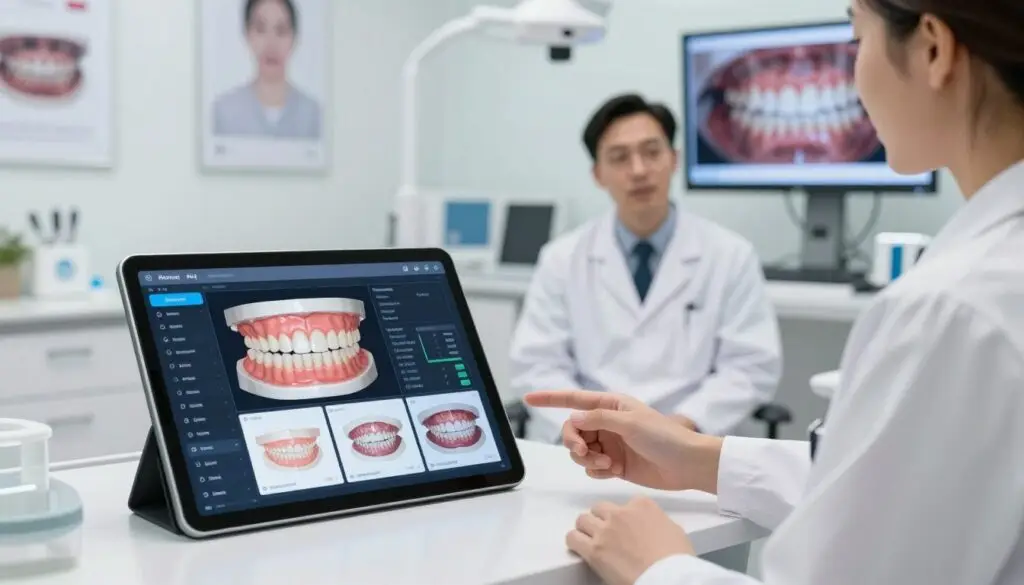
Advanced software generates highly accurate three-dimensional models directly from patient scans. I find this eliminates hours of manual work like trimming and labeling STL files.
These digital models allow orthodontists to perform cephalometric calculations instantly. This provides the data needed for effective, personalized care plans.
Precision in Bracket Removal and Alignment Accuracy
Solutions like EasyRx AI Bracket Removal seamlessly strip band information from digital models. Automating this process ensures greater precision in subsequent appliance fabrication.
The result is better accuracy in aligner production. This reduces costly rework and directly improves clinical outcomes for your patients.
| Task Type | Manual Process | Automated Process | Impact on Practice |
|---|---|---|---|
| Model Trimming | Time-consuming, variable results | Consistent, software-driven | Frees staff for patient care |
| Bracket Removal | Prone to human error | Seamless and precise | Improves appliance accuracy |
| STL File Labeling | Manual data entry | Automatic tagging | Reduces administrative tasks |
| Cephalometric Analysis | Separate 2D measurements | Integrated 3D calculations | Speeds up treatment planning |
Integrating these features into your workflows maintains consistency across all orthodontic treatments. Your team can focus on critical clinical work instead of repetitive tasks.
Enhancing Patient Care and Engagement through AI
Effective patient care extends beyond the chairside, relying on consistent engagement and transparent information sharing. Modern digital solutions are now central to this effort, directly improving how clinics interact with and educate their patients.
Real-Time Patient Communication and Chatbot Integration
Immediate communication is a key expectation. I recommend integrating a chatbot, like ChatGPT, into your practice website. This provides 24/7 support for common questions.
It allows your staff to focus on more complex tasks during office hours. Simultaneously, software such as DentoAI can record exam conversations. It formats this patient data into structured SOAP notes automatically.
This automation ensures accurate documentation without pulling attention away from the person in the chair. Your team maintains a strong human connection while the technology handles the administrative work.
Empowering Patients with Visual Treatment Insights
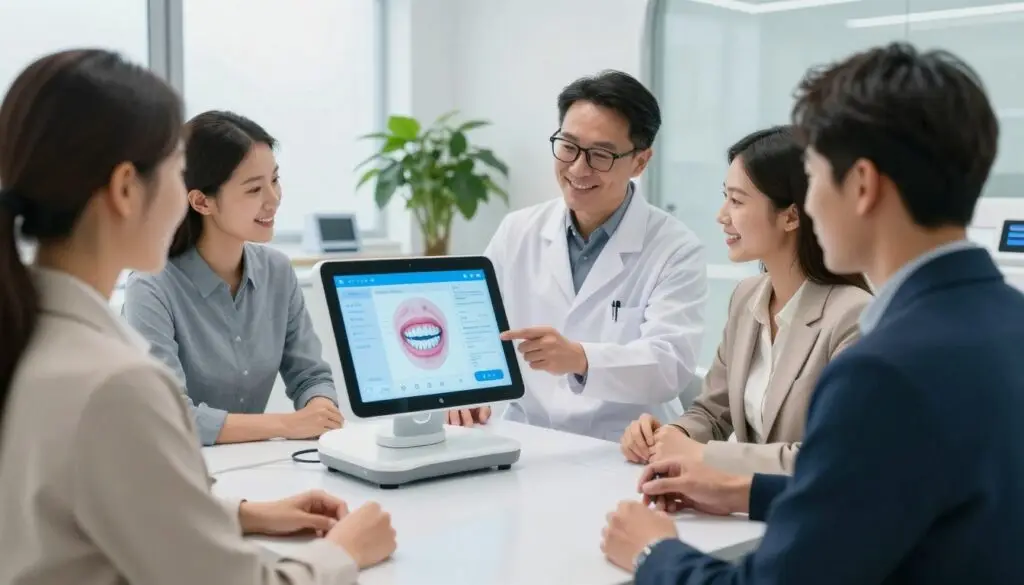
Visual tools are powerful for patient education. Showing 3D models of projected outcomes helps individuals understand their care journey. This clarity builds confidence and increases acceptance rates for proposed plans.
Remote monitoring features further enhance this process. Patients can submit scans from home, reducing unnecessary in-office visits. They stay engaged in their progress while you maintain high standards of care.
| Engagement Method | Traditional Approach | Digital Solution | Primary Benefit |
|---|---|---|---|
| Initial Questions | Phone calls during hours | Website chatbot | 24/7 immediate answers |
| Treatment Explanation | 2D photos and diagrams | Interactive 3D models | Clear visual understanding |
| Progress Monitoring | Scheduled check-up visits | Remote scan submission | Convenience, fewer visits |
| Visit Documentation | Manual note-taking | AI-powered SOAP notes | Accuracy, staff time saved |
Together, these strategies transform the patient experience. They foster trust and understanding, which are vital for successful long-term outcomes in any practice.
Optimizing Clinical Workflows and Practice Management
Operational efficiency is the backbone of any successful orthodontic clinic. It requires a seamless blend of clinical skill and smooth administrative processes. Digital solutions are now crucial for achieving this balance in small practices.
Automating Routine Tasks to Reduce Staff Burnout
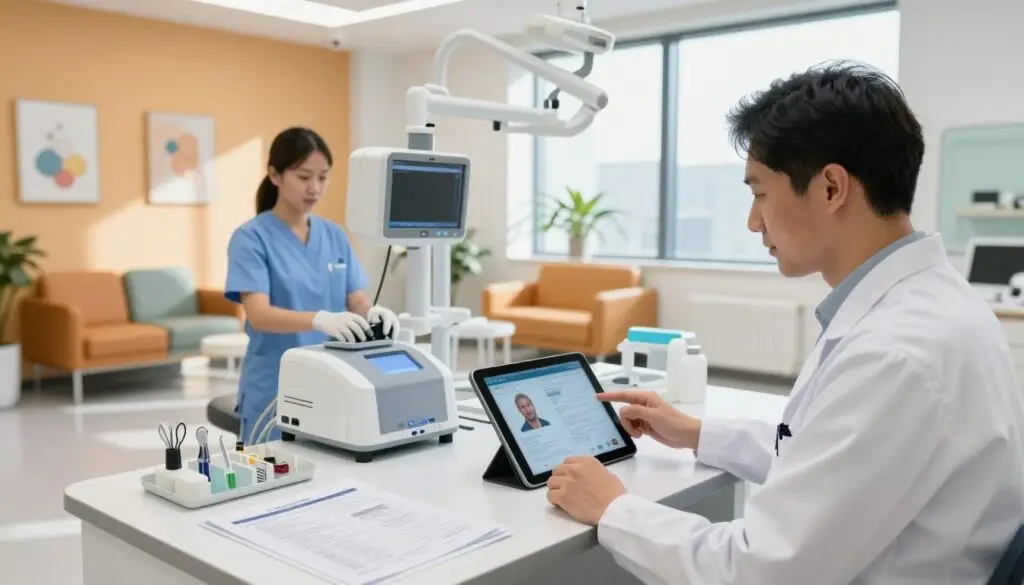
Repetitive duties are a major source of team fatigue. I recommend platforms like OrthoBerry, which consolidate insurance checks and patient intake. This award-winning system handles key administrative work in one place.
Physical logistics also benefit from automation. The Zeeno robot uses smart mapping to navigate your office. It safely transports lab items and sterilization packs, freeing your team from constant fetching.
This automation directly reduces staff burnout. Your team can then focus on high-value duties that require human skill and empathy.
Integrating AI with Existing Practice Management Systems
The real power of these innovations lies in seamless integration. They should connect directly with your current practice management software. This creates a unified system for all patient data and scheduling.
Such integration ensures your clinical workflows remain highly efficient. It maintains a smooth daily flow of patients, minimizing wait times and confusion.
By cutting time spent on paperwork, your team improves the overall patient experience. More time is freed for direct, attentive patient care. This focus on streamlined management helps small clinics maintain their competitive edge through precision and accuracy.
Conclusion
Moving forward, the most successful practices will be those that harness data intelligently. Embracing artificial intelligence is a vital step for improving efficiency and treatment outcomes.
By automating routine tasks, you can reduce staff burnout. This allows your team to focus on high-quality patient care. These digital solutions are essential for modern orthodontic practice.
As you integrate them, your ability to deliver precise orthodontic treatments improves. Your overall practice productivity grows alongside accuracy. I encourage you to explore how this technology can be tailored to your needs.
The future is defined by using data to create better, more predictable plans for all patients. This approach ensures long-term success and superior clinical outcomes.