
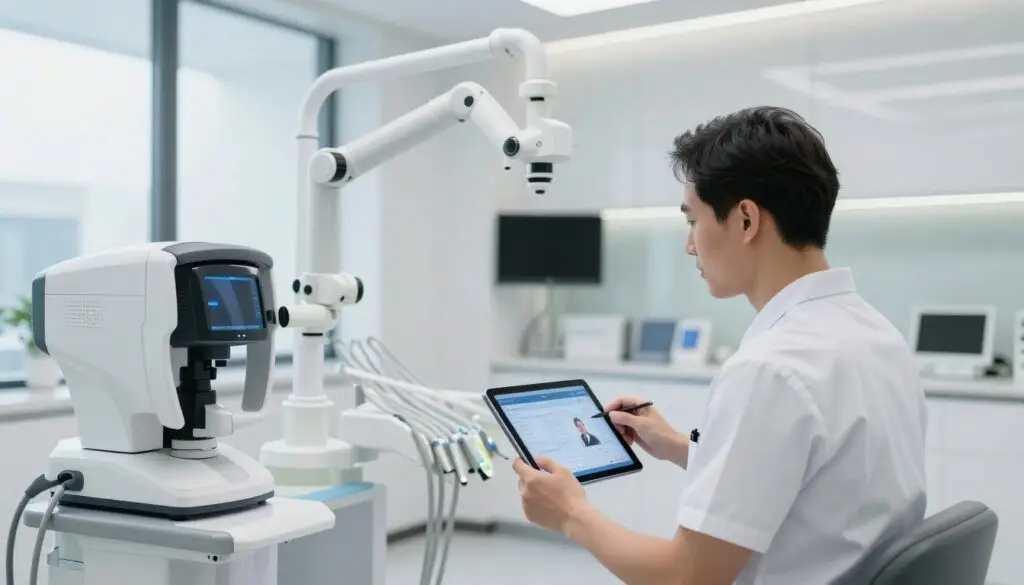
In the United States, independent oral health offices are embracing new technology. This shift focuses on enhancing how they operate and the service they provide. I have observed this trend gaining significant momentum.
Modern clinical software is no longer just for large corporate groups. Accessible and intuitive platforms now empower every local clinic to compete and thrive. My analysis confirms that integrating these resources can transform daily workflows.
By adopting smart management systems, a practice can significantly elevate the experience for each patient. It streamlines tasks so providers can focus on delivering consistent, high-quality care. This technological edge is becoming a critical differentiator in a competitive market.
Key Takeaways
- Independent clinics across the US are adopting new technology to boost operational performance.
- Modern software solutions are now accessible and affordable for smaller offices.
- Integrating these systems streamlines administrative tasks and daily workflows.
- Enhanced management tools directly improve the consistency and quality of patient service.
- Leveraging technology is a key factor for staying competitive in today’s market.
- These innovations help providers focus more on direct care and less on paperwork.
- The ultimate goal is to deliver more effective and efficient health services to every patient.
Introduction to AI in Dental Practices
Gone are the days when advanced clinical support was solely the domain of large institutions. The evolution of intelligent technology in oral health has moved from experimental research to practical applications in settings across the USA since the late 2010s. I have seen this shift firsthand.
Modern clinical environments now utilize these systems to assist in complex treatment planning. This ensures each person receives a personalized approach to their oral health.
The Evolution of Dental AI
The growth of this technology has been rapid. Platforms now support a wide range of treatment options. What began as academic projects are now integral to daily workflows in many dental practices.
Relevance for Small Clinics in the USA
For local offices, the relevance is clear. This software provides enterprise-level management capabilities to a neighborhood practice. I believe integration is essential for maintaining high standards of care.
Adopting these advancements lets a clinic ensure every patient benefits from the latest diagnostic precision. The shift allows providers to focus more on the individual’s experience.
It reduces manual administrative burdens significantly. As these methods evolve, their role in supporting the patient journey becomes more pronounced. This leads to better overall treatment results.
Understanding the Benefits of AI in Dentistry
Adopting advanced computational support transforms how providers diagnose conditions and manage their daily operations. The advantages are clear in two critical areas: clinical precision and office productivity.
Enhanced Diagnostics and Precise Analysis
Intelligent systems analyze clinical images with remarkable accuracy. Studies show these platforms can identify cavities and gum disease with over 90% reliability.
This high level of detection helps catch problems early. Every person receives timely and effective care based on solid evidence.
By utilizing these resources to examine images, providers gain deeper insights into oral health. This leads to better, more personalized treatment plans and improved long-term outcomes.
Streamlined Workflows for Administrative Efficiency
Modern clinical software automates routine jobs like data entry and billing. This can significantly cut the hours spent on paperwork.
When the team spends less time on manual tasks, they can focus on what matters most: direct communication and support for each individual. Strong patient relationships are vital for any successful clinic.
I have found that integrating smart management systems handles scheduling and financial processes with greater precision. This operational efficiency allows staff to dedicate more energy to delivering quality care.
AI dental practice tools for small clinics
Moving beyond basic automation, today’s solutions offer actionable intelligence. This transforms routine information into a strategic asset for any health office.
These resources focus on two powerful outcomes. They enhance the quality of service delivered and optimize how the office runs every day.
Improving Patient Care with Data-Driven Insights
When a clinic uses smart analysis, it makes decisions based on clear evidence. I have seen this lead to more effective and personalized treatment plans.
Examining historical and real-time data reveals trends. Your team can then anticipate needs and intervene earlier for better long-term health.
Platforms like VideaHealth show how scalable this is. With a 95% usage rate among tens of thousands of clinicians, it proves these insights are practical and trusted.
Boosting Efficiency in Daily Operations
The right software automates many administrative tasks. This includes scheduling, documentation, and billing processes.
Freeing up staff time from manual work has a direct impact. Your team can focus on building stronger relationships with each person who walks in.
This operational efficiency reduces daily stress. It also ensures that as your patient volume grows, the standard of care remains consistently high.
Advanced Diagnostic Imaging and AI Integration
Modern imaging technology, when augmented by computational power, offers unprecedented clarity for detecting oral health issues. This integration transforms standard scans into powerful diagnostic assets.
It provides a reliable second opinion, boosting confidence in every assessment. I see this as a fundamental shift in how we approach oral health.
X-ray Analysis and CBCT Enhancements
Intelligent models examine X-rays and Cone Beam CT scans with remarkable precision. They can spot cavities and bone loss with over 90% accuracy.
This high level of detection means problems are identified much earlier. Your team can then discuss treatment options with each patient using clear visual evidence.
Leveraging 3D Scanning for Early Detection
Three-dimensional scanning provides a complete view of a patient’s oral structures. When combined with analytical software, it can reveal subtle changes that precede major issues.
Platforms like DentalMonitoring analyze images submitted by patients. They track over 130 specific events, aiding in the ongoing management of orthodontic care.
| Imaging Type | Key Strengths | Common Detections | Impact on Patient Care |
|---|---|---|---|
| Digital X-ray | High-resolution 2D images | Cavities, early bone loss | Enables quick, accurate assessment during a visit |
| CBCT Scan | 3D volumetric data | Tooth positioning, bone density | Allows for detailed surgical and implant planning |
| Intraoral 3D Scan | Surface topography mapping | Early enamel wear, alignment shifts | Facilitates preventive monitoring and patient education |
Using these tools improves the accuracy of diagnostics. This leads to more successful treatment outcomes and helps a practice maintain its standard of care.
Optimizing Treatment Planning with AI
Harnessing predictive insights transforms how we design care pathways for long-term wellness. This approach moves beyond standard templates to create a truly individualized strategy for each person.
It ensures every step is tailored to the specific needs and goals of the individual. I believe this is the future of effective oral health management.
Personalized Treatment Strategies through Predictive Analytics
Intelligent systems analyze historical and real-time data to forecast potential issues. This allows a practice to shift from reactive fixes to proactive care.
For example, analytics can predict the risk for a specific tooth or gum condition. Your team can then discuss preventive treatment plans with the patient early on.
This foresight builds stronger trust and leads to better long-term health outcomes.
Data-Driven Recommendations for Better Outcomes
Evidence-based software provides clear recommendations for each case. I have seen how this removes guesswork and boosts confidence for both the provider and the patient.
These tools save valuable time during the planning phase. The management of complex cases becomes more streamlined and precise.
Visualizing the proposed treatment helps patients understand their options. This clarity increases acceptance rates and fosters a collaborative relationship.
Ultimately, integrating these resources elevates the standard of service in modern practices.
Enhancing Patient Communication and Engagement
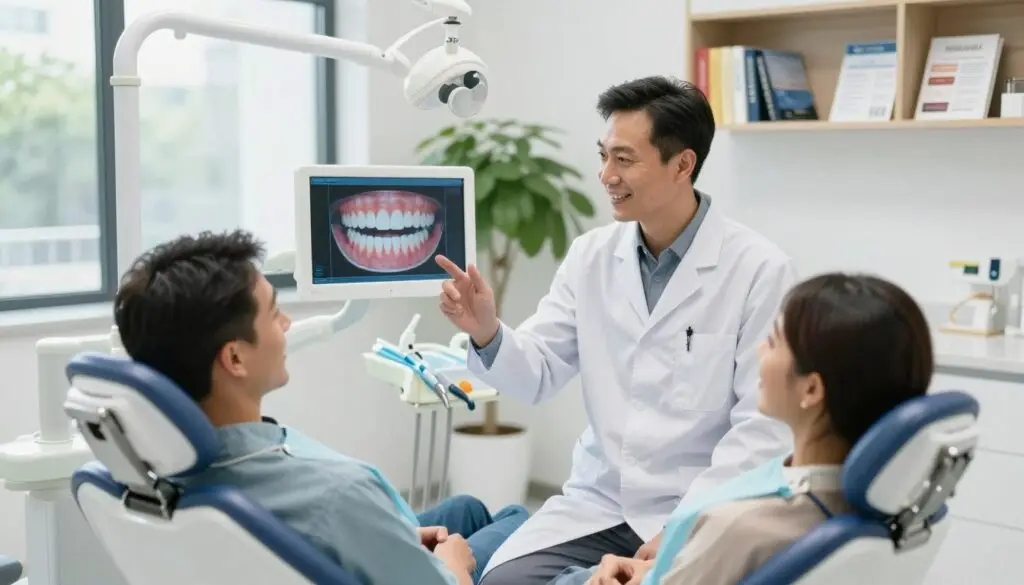
Clear and consistent dialogue forms the backbone of any successful health service. Strong relationships are built on trust, which grows from every interaction. I believe focusing on this area directly improves satisfaction and long-term loyalty.
Utilizing Chatbots and Virtual Receptionists
Intelligent chatbots manage routine inquiries from patients around the clock. This ensures every person receives a prompt answer, day or night. Your team is freed from constant phone calls and basic questions.
Virtual receptionists handle appointment scheduling and confirmations automatically. This reduces the administrative load on your front-office staff significantly. I have seen this lead to fewer errors and less daily stress.
These communication tools keep your practice connected with individuals between visits. They send reminders and follow-up messages effortlessly. This ongoing contact is vital for maintaining high engagement levels.
By automating these interactions, your team can focus on complex treatment discussions and personalized care. The overall experience for each patient becomes smoother and more responsive. This efficiency strengthens the entire service model.
Streamlining Administrative and Practice Management
The smooth operation of a clinic’s back office is crucial for its overall success. Effective practice management ensures that every patient receives timely and accurate service. I have found that when routine tasks are automated, the entire team can focus on delivering quality care.
Automated Appointment Scheduling and Billing
Modern software handles appointment scheduling and billing with precision. This technology allows patients to book visits online at their convenience.
It also processes insurance claims and payments automatically. Your staff spends less time on manual data entry and phone calls.
I have seen this lead to a more organized front desk. The management of daily workflows becomes significantly smoother.
Reducing Errors and Saving Time
Automating these processes minimizes human errors. This is vital for maintaining trust and professionalism in any health service.
Accurate billing information is sent directly to each patient. They understand their financial obligations for treatment clearly.
This efficiency gives your team more capacity. They can invest that saved time into better communication and support.
Streamlining these tasks is a smart step for any dental practice. It directly enhances the overall patient care experience.
Evaluating Top AI Tools for Dental Clinics
With numerous platforms available, a thorough comparison is essential to match software capabilities to clinical needs. I believe selecting the right solution directly impacts the quality of service and daily operations.
This evaluation helps your office find a system that supports your specific goals. It ensures every investment enhances both patient care and practice management.
Comparing Overjet, VideaHealth, and Denti.AI Solutions
Each leading platform offers unique strengths for modern oral health offices. Overjet is renowned for its precise analysis of X-ray images, aiding in consistent diagnoses.
VideaHealth provides deep insights from historical data, helping to predict treatment outcomes. Denti.AI focuses on automating documentation, which saves significant time for your staff.
| Solution | Primary Focus | Key Strength | Pricing Insight |
|---|---|---|---|
| Overjet | Radiology Analysis | High accuracy in detecting cavities & bone loss | Custom enterprise quotes |
| VideaHealth | Predictive Analytics | Data-driven treatment plans | Subscription per clinician |
| Denti.AI | Clinical Documentation | Automates note-taking & billing codes | $299 per location (Scribe tool) |
| SoftSmile Vision | Orthodontic Planning | 3D imaging for aligner cases | ~$199/month for 3 cases |
By analyzing these capabilities, your team can choose a tool that reduces manual tasks and errors. This leads to smoother workflows and better communication with every patient.
Integration with existing systems is a crucial final step. The right software should fit seamlessly into your current workflow to maximize efficiency.
Implementation and Integration Strategies
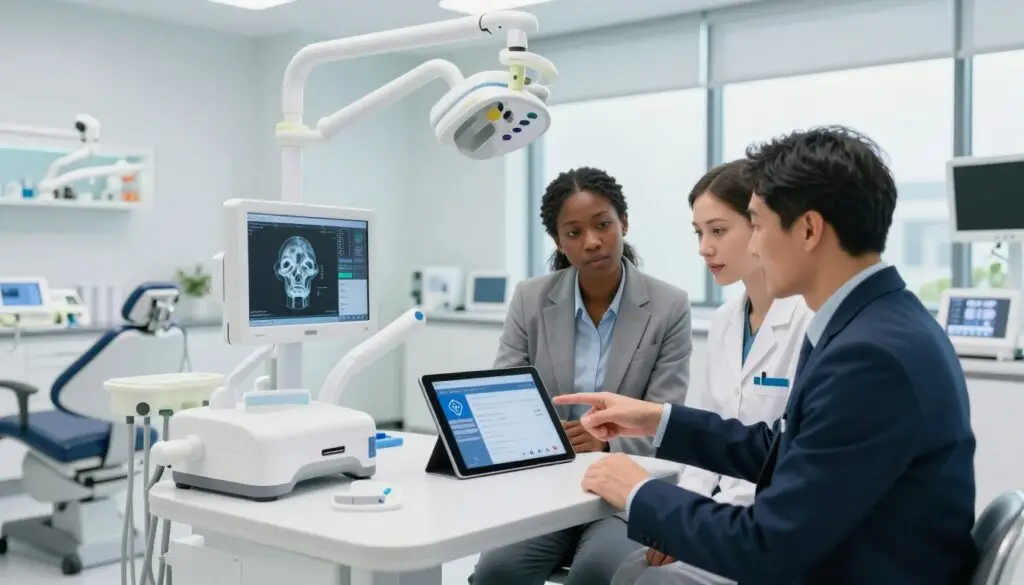
The true value of any new system is realized only when it works in harmony with existing processes. I believe a structured plan is essential for adopting innovative capabilities without disrupting daily service.
Ensuring Seamless Integration with Existing Systems
Begin by evaluating your current practice management software. Check its compatibility with the new technology. This step prevents errors and ensures smooth workflows.
Involve your staff early in the process. Their input on current tasks helps tailor the integration. This collaboration minimizes resistance and boosts confidence.
A phased rollout allows the team to adapt gradually. Focus first on modules that enhance diagnostics and treatment plans. This approach maintains accuracy and patient care standards.
Internal Links and Supportive Resources
Utilize internal documentation and training guides. These resources help dentists and professionals master new capabilities.
Create clear links between systems for data sharing. This connectivity supports better imaging analysis and processes.
Ongoing support is crucial. Regular check-ins ensure the practice leverages the tools effectively. This leads to improved outcomes for every patient.
Cost, ROI, and Investment Considerations
Evaluating the monetary investment in advanced software is essential for achieving both clinical and business objectives. A clear financial plan supports sustainable growth and maintains high-quality service standards.
Subscription Models and Budgeting for Innovation
Understanding subscription models helps a dental practice manage its budget effectively, ensuring predictable costs through solid practice management.
I believe the return on investment is realized through improved patient care and increased case acceptance. Efficient treatment planning saves valuable time for your team.
Careful budgeting ensures your office remains competitive. It allows you to provide the best possible care to every patient.
Investing in these solutions optimizes daily workflow and streamlines billing processes. This leads to better financial outcomes and a more satisfied staff.
Dental professionals and dentists should consider how the tools enhance diagnostic accuracy. They improve detection of issues like bone loss, which benefits treatment plans.
A well-planned investment helps practices grow steadily. It leverages advanced capabilities for superior experiences for patients.
Future Trends in Dental AI and Practice Management
Looking ahead, the next wave of advancements promises to redefine how clinics operate and deliver care. I believe staying informed is crucial for any health office aiming to lead in its community.
The integration of smarter systems will become standard. This shift supports better long-term health for every individual.
Emerging Technologies and Evolving Regulatory Standards
Intelligent models are expected to evolve significantly. Future capabilities will likely include even more precise detection of oral health issues.
This means accuracy rates for identifying problems like bone loss or a damaged tooth could exceed 90%. Such diagnostics empower dentists to create superior treatment plans.
Concurrently, evolving regulatory standards will ensure these technologies remain safe. They will protect every patient while fostering trust in new processes.
| Future Trend | Primary Impact | Expected Benefit |
|---|---|---|
| Advanced Diagnostic Imaging | Enhanced analysis of clinical images | Earlier intervention, improved outcomes |
| Predictive Health Analytics | Leveraging historical data for forecasts | Proactive care and personalized plans |
| Integrated Workflows | Automation of routine tasks and management | Reduced errors, more time for patients |
| Standardized Regulatory Frameworks | Clear guidelines for technology use | Safe, consistent practice standards for all professionals |
By adopting these trends, dental practices can streamline complex case management. The future lies in balancing technological efficiency with the human touch central to quality patient care.
Conclusion
Today’s leading oral health practices distinguish themselves through a commitment to technological integration. I believe this strategic move fundamentally enhances service delivery. It elevates both the consistency and quality of patient care.
Implementing modern software streamlines practice management and boosts diagnostic accuracy. Your team saves valuable time on routine tasks like billing. This fosters better communication and supports more effective treatment plans.
Looking ahead, I encourage all professionals to explore these resources. They empower dentists to address health issues proactively. These solutions also improve case acceptance through clear visualizations.
Ultimately, this leads to improved outcomes and ensures every patient receives the highest standard of care.