
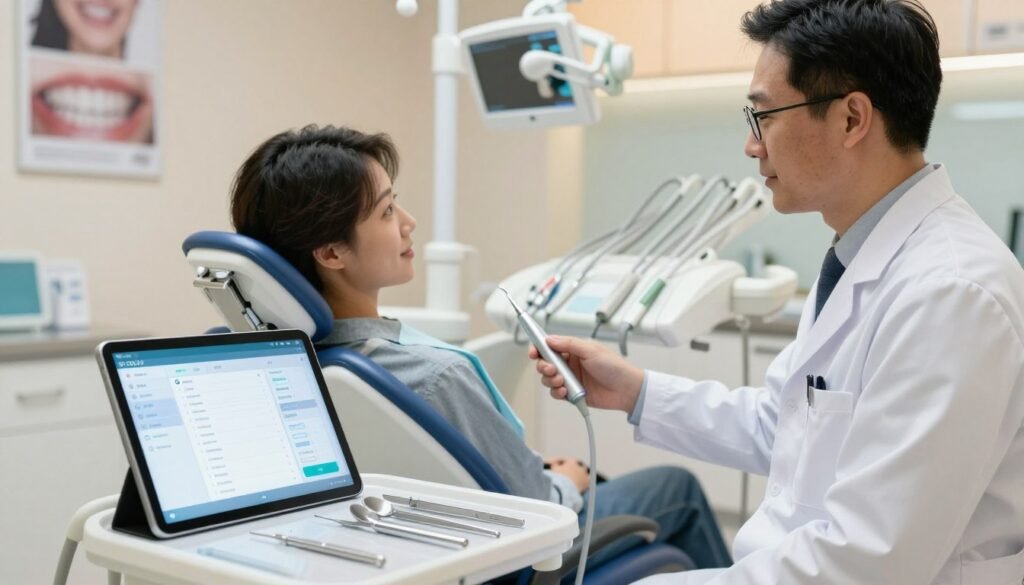
Running a modern dental practice involves much more than clinical expertise. I understand the daily challenge of balancing patient care with endless administrative tasks.
Recent data shows professionals in this field can spend up to ten hours every week just on clinical documentation. This significant time drain directly reduces patient throughput and practice revenue.
The right technology can change this dynamic. By integrating smart software, you can automate those repetitive, time-consuming jobs. This shift allows your team to focus their energy on what matters most: patient care.
This guide explores innovative platforms designed to assist your practice. They help with marketing outreach, streamline patient messaging, and provide advanced hygiene assessment. Front office automation is also a key feature for driving growth.
My goal is to provide a clear, professional overview of the most cost-effective digital solutions available today. Adopting these systems is becoming essential for any practice that wants to stay competitive and efficient.
Key Takeaways
- Automating clinical documentation can reclaim up to 10 hours of your workweek.
- Smart technology improves patient engagement through faster, more reliable communication.
- These platforms enhance marketing efforts and provide data-driven insights for growth.
- AI-assisted hygiene assessments offer more accurate and consistent evaluations.
- Front-office automation streamlines scheduling, reminders, and billing tasks.
- Freeing your team from manual work allows for a greater focus on direct patient care.
- Integrating digital solutions is a strategic step toward a more modern and competitive practice.
Introduction
The daily rhythm of a successful dental office is often dictated by the constant ringing of the phone. I’ve seen data showing the average clinic receives between 50 and 100 calls each day. These peaks during morning hours and lunch breaks can overwhelm even the most organized front desk.
This volume isn’t just noisy. It represents missed appointments and lost revenue when calls go unanswered. The challenge extends beyond the phone. Ensuring clinical notes are accurate and compliant adds another layer of complexity for busy practices.
Choosing the right technological platform is therefore a strategic decision. It requires a deep understanding of your specific clinical and administrative needs. The right tool should feel like a natural extension of your practice.
My objective here is to present a viable solution. It must address these common pain points while remaining accessible for small to mid-sized offices. By leveraging such tools, you can streamline internal workflows. Your team can then focus their energy on delivering high-quality patient care.
Affordable AI Tools for Dentists: Best Budget Options in 2026 Explained
A single periodontal examination generates a complex web of over 168 individual measurements. This illustrates the uniquely demanding nature of clinical record-keeping in this field.
Documentation requires precise, tooth-specific charting for 28 or more teeth. General medical software often lacks the necessary framework for this detailed work.
I define cost-effective platforms by their value, not just a low price. The best selections provide high-value features like ambient scribing and automated charting without excessive monthly fees.
This guide analyzes tools that balance advanced functionality with sensible pricing. You will learn to evaluate them based on integration depth and overall impact on your practice’s efficiency.
The Role of AI in Dental Marketing and Patient Communication
A practice’s growth is directly tied to its ability to connect with potential and existing patients. Modern platforms now serve as the essential bridge for this connection, transforming how clinics manage outreach and engagement.
AI in Marketing Strategy for Dental Practices
I have found that each missed new-patient call represents a significant financial loss. This makes capturing every lead a top priority for sustainable growth.
Implementing smart technology into your marketing allows you to capture leads more effectively. It reduces the number of missed opportunities by ensuring inquiries are handled instantly, day or night.
Enhancing Patient Communication with AI
By utilizing automated systems for patient communication, you ensure consistency. Recall reminders and appointment confirmations are sent reliably without manual staff intervention.
Many dental practices use these tools to personalize their outreach. This approach significantly improves patient retention and overall case acceptance rates.
These solutions help bridge the gap between your front office and your patients. They ensure no inquiry goes unanswered, even during the busiest clinical hours.
Key Features of Dental AI Tools: Pricing, Pros & Cons, and Integration
Selecting the right digital platform for your clinic requires a methodical evaluation of its core components. I focus on three areas to determine true value.
Pricing and Value Assessment
Transparent pricing models are non-negotiable. For example, Denti.AI Detect offers diagnostic imaging services for a clear $49 per location each month.
This predictable fee structure allows for accurate budgeting. You avoid unexpected costs that can strain your practice’s finances.
Main Features Breakdown
Every feature must serve a clear purpose. I assess how well a tool manages clinical documentation and periodontal charting.
Administrative task support is equally vital. The best platforms automate reminders and data entry to free your team.
Pros and Cons Analysis
Advanced diagnostic aid is a major benefit. The potential con is the initial learning curve for your clinical staff.
Seamless integration with your existing practice management software is critical. Poor integration creates data silos and extra work.
Strong vendor support during implementation mitigates many early challenges.
| Tool | Key Features & Integration | Pros | Cons (Best For) |
|---|---|---|---|
| Diagnostic Imaging Assistant | Automated caries detection; integrates with major imaging software. | Reduces diagnostic time; highly consistent readings. | Higher monthly cost; best for high-volume practices. |
| Perio Charting Pro | AI-powered pocket depth tracking; one-click PMS sync. | Eliminates manual entry errors; improves hygiene department efficiency. | Requires staff training; ideal for periodontists and hygienists. |
| Front Office Automator | Handles recall, reminders, and billing tasks; cloud-based. | Excellent customer service; low upfront cost. | Limited clinical functions; perfect for administrative workflow focus. |
Benefits of AI in Dental Practices
The most valuable resource in any practice is time, and too much of it is currently spent on manual data entry. I’ve seen that professionals in this field typically work 35 clinical hours each week. They then dedicate another 5 to 10 hours to administrative tasks.
This is where smart technology delivers its primary advantage. It significantly reduces the hours spent on manual clinical paperwork.
Improved Efficiency in Documentation
Automating charting and note-taking reclaims those lost hours. You can redirect this time toward more productive activities.
Enhanced accuracy in your records is another critical benefit. Precise documentation is essential for correct insurance billing. It also ensures reliable long-term health tracking for every individual under your care.
My analysis confirms that teams using these platforms report higher satisfaction. The burden of repetitive data entry is greatly minimized. This creates a more positive and efficient workplace.
Enhanced Patient Care and Communication
The reclaimed time directly improves the quality of your service. Your team can focus their energy on the patient experience rather than paperwork.
These improvements foster a more professional clinical environment. Consistent, automated communication keeps people informed and engaged. The entire practice operates with a sharper focus on care.
Detailed Overview of Top Affordable AI Tools for Dentists
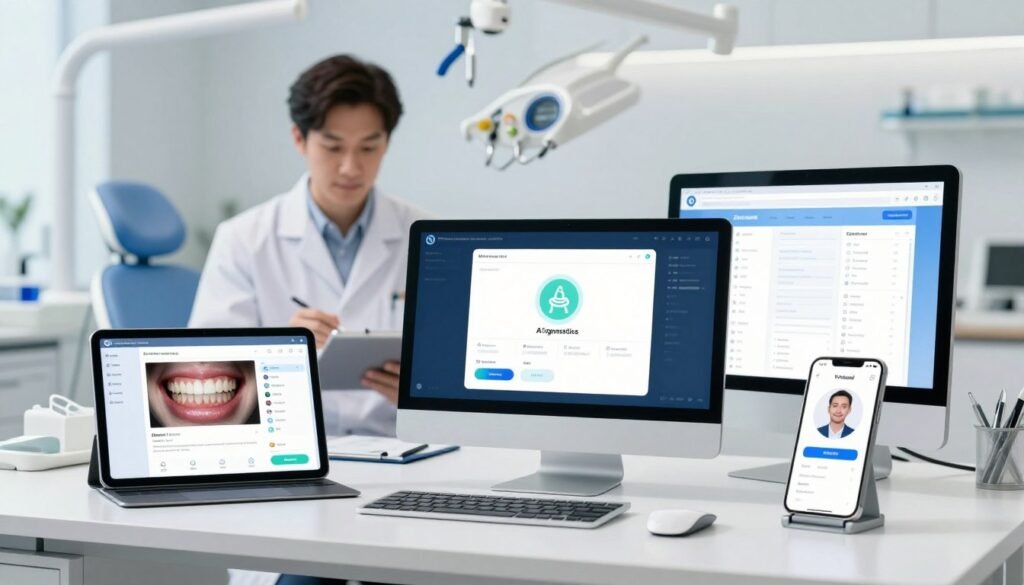
The proof of any clinical documentation tool lies in its adoption by a large community of professionals. I will compare leading platforms using real-world data to show which solution fits different practice profiles.
Tool Comparison and Best Budget Options
Bola AI stands out with a user base of over 10,000 dentists. They have completed more than 3 million charts, proving its reliability for busy practices.
Kiroku is a budget-friendly option at $47.95 monthly. Co-founded by dentist Hannah Burrow, it is designed for efficient clinical workflow.
DeepCura offers a unique bundle. For $129 per provider each month, it includes an AI receptionist and scribe.
Heidi Health supports multi-specialty groups. Its pro plan costs $99 monthly and works in over 110 languages.
Real-World Use Cases and Success Stories
These numbers are not just marketing. They represent thousands of hours saved on perio charting and note-taking.
Many clinics report that their team spends less time on manual entry. This allows staff to focus on patient care and communication.
Matching Tools to Practice Needs
Your choice depends on your clinic’s size and existing software. A solo practitioner might prioritize cost, while a DSO needs scalable platforms.
I strongly advise requesting a demo from each vendor. Seeing the scribe capabilities in action is the best way to evaluate a product.
This data-driven comparison helps you match the right tool to your operational needs.
Comparison Table and Feature Analysis
My method for vetting these platforms involves a direct comparison of pricing, accuracy, and integration depth. This side-by-side evaluation is crucial for identifying the solution that offers real value for your specific operational needs.
Key Comparison Metrics
I evaluate each tool across several core metrics. These include monthly cost, the availability of specialized modules like voice-activated charting, and how seamlessly the platform connects with your existing practice management software.
For instance, Denti.AI offers its advanced Voice Perio module for $199 per location each month. This is a key feature for clinics prioritizing hands-free, efficient periodontal documentation.
The table below provides a clear comparison to help you narrow your choices. Use it to see which vendor aligns with your budget and clinical requirements.
| Tool | Core Feature & Price | Integration Strength | Best For |
|---|---|---|---|
| Denti.AI Voice Perio | Voice-activated perio charting; $199/location/month. | Deep integration with major imaging and PMS. | Practices seeking hands-free clinical documentation. |
| Kiroku | Clinical note automation; $47.95/provider/month. | Good EHR compatibility; cloud-based. | Solo practitioners needing budget-friendly charting. |
| DeepCura | AI scribe & receptionist bundle; $129/provider/month. | Works with popular PMS; API available. | Offices wanting combined admin and clinical support. |
This analysis highlights the feature sets that provide the most robust support. You can match a platform’s strengths directly to your practice’s daily workflow challenges.
Front Office Automation and Workflow Optimization in Dentistry
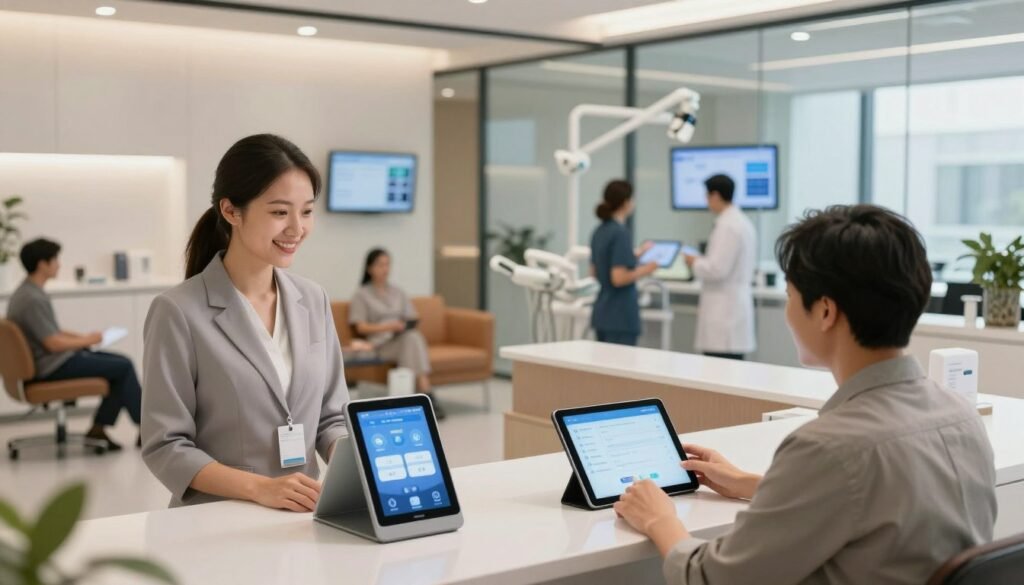
High turnover among administrative personnel creates a persistent challenge for maintaining consistent office operations. With front desk staff turnover approaching 30% annually, many clinics face constant training gaps and coverage issues.
This instability directly affects patient experience. I have found that 25% to 35% of calls go unanswered during busy periods. Each missed call is a lost opportunity for your practice.
AI for Patient Scheduling and Communication
Implementing smart technology for patient scheduling ensures every inquiry is handled. These systems manage calls and messages professionally, even during lunch breaks or staff shortages.
This creates a reliable channel for patient communication. It builds trust and prevents revenue leakage from missed appointments.
Streamlined Administrative Tasks
Automation tools take over repetitive duties like sending reminders and updating calendars. This allows your remaining staff to focus on high-value interactions at the front office.
My research shows clinics using these solutions see a major reduction in time spent on manual management. Optimizing this workflow is a critical step toward increasing practice revenue and patient satisfaction.
Integration and Practical Considerations for Dental Practices
The true test of any digital solution is how well it becomes part of your existing clinical workflow. A smooth adoption process is critical for realizing the full value of your investment.
My focus here is on the practical steps needed to ensure a successful implementation. These considerations protect your daily operations from disruption.
Seamless PMS and Technology Integration
Successful adoption requires your chosen platform to work seamlessly with your practice management software. I emphasize the importance of native integration with systems like Dentrix, Eaglesoft, and Open Dental.
This deep connection eliminates tedious manual copy-paste workflows. It ensures data flows automatically between your clinical and administrative modules.
Before committing, you must verify the tool supports your specific software version. A mismatch here can create significant technical hurdles later.
My practical advice is to conduct a pilot test with a small group of providers first. This trial run confirms the technology meets your clinical standards and workflow pace.
You should also plan for the training time your staff will need. Becoming proficient with new digital tools requires a short but dedicated adjustment period.
Ensuring your data remains secure and HIPAA compliant is non-negotiable. Any platform you integrate must meet the highest standards of patient privacy.
Expert Recommendations and Key Takeaways
A methodical pilot program, as recommended by industry experts, provides the clearest picture of a tool’s real-world utility. I will distill the most actionable advice for a smooth and successful adoption.
Expert Insights on Implementing AI Solutions
Dr. Eli Neimark, a licensed medical doctor, advises running a short pilot using real note templates. This allows you to measure the edit time per note accurately.
My primary recommendation is to choose a solution with clear HIPAA compliance documentation. A solid Business Associate Agreement is non-negotiable for patient data security.
You should prioritize platforms that allow for flexible workflows. This makes it easier to standardize processes across your entire clinical team.
Key Takeaways for Dental Practice Owners
Always verify the vendor’s data retention policies. Ensure they align with your specific operational requirements.
The key takeaway is to measure actual time savings and accuracy improvements. Do this before rolling out any new tool practice-wide.
By following these insights, you can implement digital assistants that provide long-term value. They will drive efficiency and support high-quality care.
Conclusion
Ultimately, the value of any new system is measured by the time and stress it saves for your clinical team. Integrating the right solution is a transformative step toward a more efficient and patient-focused practice.
I recommend beginning with a flexible platform. This allows you to test different workflows before any long-term commitment. Prioritize tools that offer strong integration and reliable support to ensure a smooth transition for your entire staff.
The core goal of this technology is to reduce your administrative burden. This lets you focus energy on what matters most: your patients.
I encourage you to review the options in this guide. Take that first step toward a modernized workflow for your clinic today.