
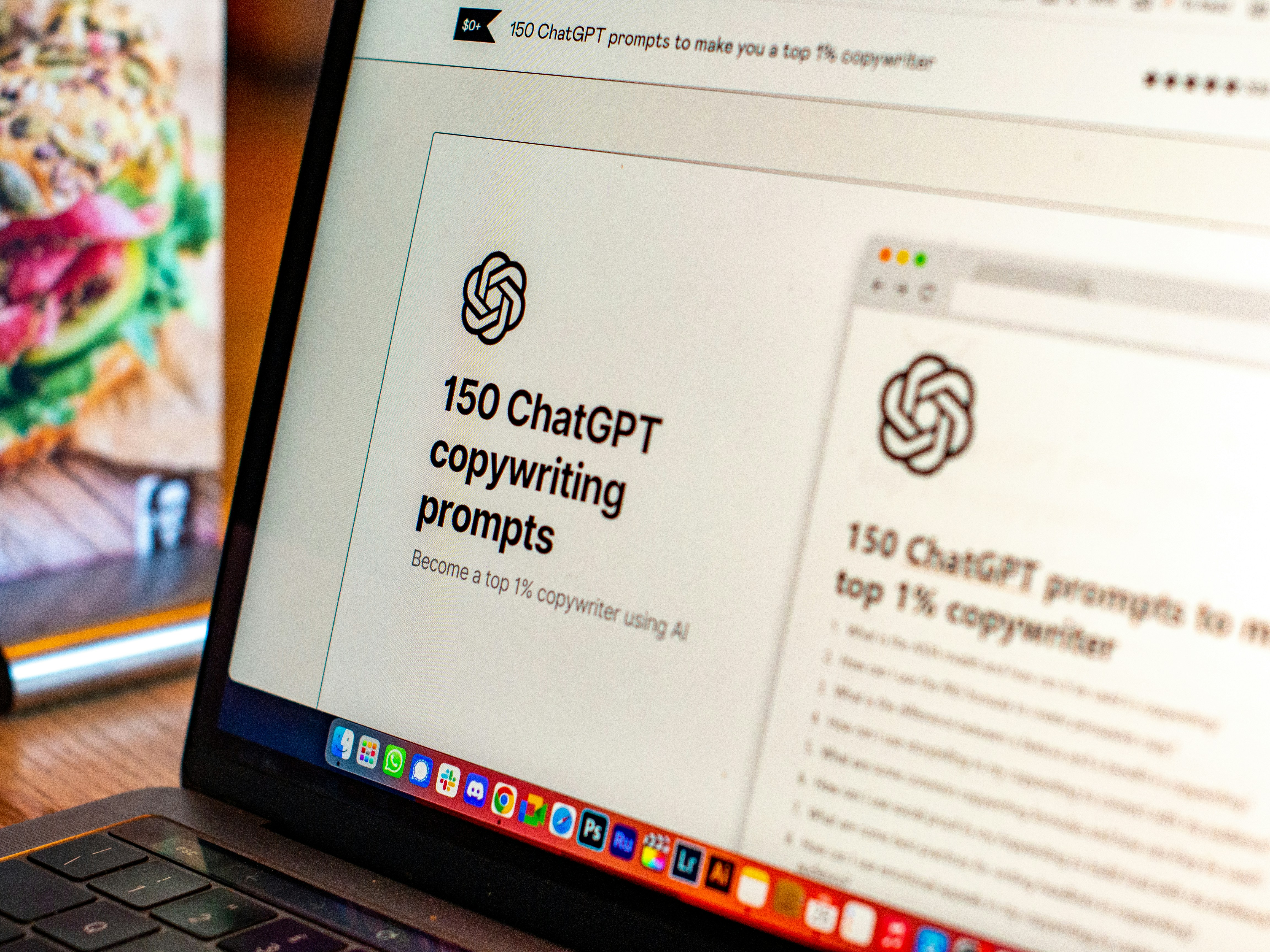
Introduction to AI in Blogging
The blogging landscape has undergone significant transformations due to the advancements in artificial intelligence (AI). As we look toward 2026, it is essential to recognize how AI has revolutionized content creation, enabling bloggers to enhance productivity, improve engagement, and deliver high-quality content more efficiently. These AI tools streamline various aspects of the blogging process, from topic generation to content optimization, allowing writers to focus on creativity and strategy.
One of the primary benefits of incorporating AI in blogging is its ability to analyze vast amounts of data quickly. This capability helps bloggers identify trends and topics that resonate with their audience, thus facilitating the creation of content that is relevant and engaging. AI-driven analytics tools can provide insights into reader preferences, search engine optimization (SEO) best practices, and even social media performance, thereby informing content strategy decisions.
However, the integration of AI in blogging is not without its challenges. While AI can assist in the writing process, it can sometimes lack the nuance and emotional depth that human writers bring to their work. There is a risk that over-reliance on AI tools may lead to content that feels formulaic or impersonal. Therefore, it is crucial for bloggers to find a balance between utilizing AI for efficiency and maintaining a personal touch in their writing.
As we explore the landscape of AI tools for blogging in 2026, understanding the impact of artificial intelligence on content creation is paramount. AI innovations promise to enhance the blogging experience, making it easier for writers to produce high-quality, engaging content that meets the evolving needs of their audiences. Balancing these technological advantages with the artistry of storytelling will be essential for bloggers aiming to thrive in an increasingly competitive digital environment.
Top AI Writing Assistants
As we progress into 2026, the landscape of AI writing assistants has evolved significantly, offering bloggers an assortment of tools designed to enhance content creation. These advancements aim to facilitate a more structured, streamlined writing process. Among the most prominent AI writing tools available today are Jasper, Grammarly, and Copy.ai.
Jasper, previously known as Jarvis, has reaffirmed its position as one of the leaders in AI-assisted writing. This versatile platform supports a broad spectrum of writing styles and formats, from blog posts to marketing copy. Its user-friendly interface, combined with powerful features like template suggestions, SEO optimization, and tone adjustments, enables bloggers to generate high-quality content that resonates with their audience. Moreover, Jasper’s ability to learn from the user’s style and preferences makes it an indispensable asset for tailoring blog content.
In parallel, Grammarly continues to enhance its capabilities, acting not just as a grammar checker but as a comprehensive writing assistant. Version updates have introduced advanced style recommendations and tone detection, essential for bloggers aiming to fine-tune their writing. Grammarly’s intuitive browser plugin ensures that users can correct errors and enhance their writing quality in real-time across various platforms, bolstering productivity.
Copy.ai has emerged as a favorite for generating marketing content quickly. It specializes in crafting engaging copy, utilizing templates specifically designed for social media posts, email campaigns, and blog introductions. The application’s ability to produce compelling headlines and ideas can significantly streamline a blogger’s content generation process, allowing for a greater focus on creativity and narrative.
Each of these AI writing assistants has distinct features contributing to enhanced writing experiences, enabling bloggers to produce high-quality content efficiently. As we continue to witness advancements in AI technology, these tools will likely become even more sophisticated, further shaping the future of blogging.
Content Idea Generation Tools
In the realm of blogging, generating fresh and engaging content ideas is vital for maintaining reader interest and enhancing SEO performance. AI-driven content idea generation tools have emerged as indispensable resources for bloggers seeking to stay ahead in a competitive landscape. These tools utilize complex algorithms to analyze a plethora of data points, including trending topics, keyword performance, and user interests. By aggregating and processing this information, they provide unique and tailored suggestions for blog post topics.
One of the primary advantages of using AI tools for content idea generation is their ability to recognize patterns in existing content and audience engagement. For instance, these tools can sift through social media platforms, forums, and search engine results to identify what topics resonate with target audiences. By focusing on these insights, bloggers can craft content that is not only timely but also relevant to the needs and interests of their readership.
Moreover, many of these tools offer features such as keyword suggestions and related topics. This allows bloggers to expand their content strategy by exploring niches that may not have been originally considered. Incorporating diverse ideas generated by AI tools can enhance the richness of a blog and attract a broader audience base. Popular content idea generation platforms, like BuzzSumo and AnswerThePublic, exemplify how technology can streamline the brainstorming process, saving time and effort while driving creative output.
As the blogging landscape continues to evolve, leveraging AI-powered tools for content idea generation will be crucial for aspiring and seasoned bloggers alike. These advanced resources enable writers to invest less time in identifying topics and more effort into producing high-quality content that truly engages readers. Ultimately, embracing innovation in content creation will empower bloggers to keep their work relevant and dynamic in 2026 and beyond.
SEO and AI: Enhancing Blog Visibility
In the modern digital landscape, it is critical for bloggers to adopt effective strategies to enhance their content’s visibility, particularly through the lens of search engine optimization (SEO). AI tools have emerged as powerful allies in this endeavor, allowing for optimized keyword strategies, detailed analyses of competitor content, and actionable recommendations tailored to improve SEO performance.
One significant advantage of using artificial intelligence for SEO is its ability to analyze vast amounts of data quickly. These tools can evaluate the effectiveness of targeted keywords, providing insights into search volumes and trends. By understanding which keywords are being searched most frequently, bloggers can adjust their content strategy to better align with user intent, ultimately leading to improved rankings in search engine results.
Additionally, AI-powered SEO tools facilitate an examination of competitor content. By analyzing what top-ranking blogs are doing right, these tools can highlight successful keyword usage, effective content structures, and engagement strategies that resonate with readers. This information can be invaluable, enabling bloggers to identify gaps in their own content and explore new opportunities that rivals may not have tapped into.
Furthermore, robust AI SEO tools offer actionable recommendations based on real-time data. For instance, tools can suggest keyword additions, modifications to headers, or even optimum content lengths that align with current SEO best practices. Such recommendations are grounded in algorithm changes and data patterns, which can often be hard to track manually. Bloggers equipped with AI insights find it significantly easier to keep their content relevant and competitive.
Overall, the integration of AI tools into the blogging SEO strategy leads to enhanced discoverability and user engagement, ensuring content reaches the desired audience. The ongoing evolution of technology into the blogging sphere highlights a pivotal shift towards smarter and more data-driven content creation practices.
AI for Image and Media Creation
In the realm of blogging, captivating visuals play a crucial role in engaging audiences and enhancing storytelling. As we navigate through 2026, several AI tools have emerged that significantly aid bloggers in the creation of images, infographics, and videos. These tools harness advanced algorithms and machine learning techniques to streamline the creative process, allowing for a more efficient workflow and improved output quality.
One prominent category of AI tools is image generation software. These applications can transform ideas into stunning visuals with minimal input. By utilizing deep learning frameworks, such tools can produce images that align with specific themes or color palettes, catering to the blogger’s branding needs. For instance, platforms like DALL-E and Midjourney allow users to input descriptive text and generate unique images that can enhance blog posts or social media content.
Infographic creation has also been revolutionized by AI technology. Tools such as Canva and Visme offer pre-designed templates and intelligent recommendations that enable bloggers to communicate complex data through appealing visuals effectively. These platforms often incorporate data visualization techniques, helping users present information succinctly while maintaining reader engagement.
Additionally, video content creation has seen significant enhancements thanks to AI. Software like Lumen5 leverages artificial intelligence to automatically generate video summaries from written content, enabling bloggers to convert articles into engaging video formats without extensive video editing skills. This capability is vital as video has become a preferred medium for consuming information, making it essential for modern bloggers to incorporate audiovisual elements into their content strategies.
Overall, the integration of AI tools for image and media creation stands to empower bloggers in 2026, making it easier than ever to produce visually appealing and informative content that resonates with their audience. As these tools continue to evolve, the potential for enhancing visual storytelling in blogging remains substantial.
Personalization and User Engagement Tools
In the digital landscape, personalization has emerged as a pivotal factor in enhancing user engagement and retention. By utilizing AI tools designed for personalization, bloggers can tailor content to meet the unique preferences of individual readers. These tools analyze user behavior, such as browsing history, interaction patterns, and demographic information, allowing creators to deliver highly relevant content.
One prominent AI tool in this domain is content recommendation engines, which provide readers with suggested articles based on their past reading habits. These engines use sophisticated algorithms to assess the content a user engages with, ensuring that future recommendations align closely with their interests. This not only fosters a more enjoyable reading experience but also increases the likelihood of repeat visits to the blog.
Moreover, chatbots equipped with AI offer another layer of personalization and engagement. These virtual assistants can interact with readers in real-time, answering queries and guiding them through the blog’s offerings. By addressing specific questions and directing users to topics of interest, chatbots create a more interactive environment that encourages prolonged user interaction. When integrated effectively, such tools can significantly reduce bounce rates and improve overall audience retention.
Additionally, AI-driven analytics tools can track and analyze user engagement metrics, helping bloggers understand which types of content resonate most with their audience. Insights gained from these analytics can inform future content strategy, allowing bloggers to craft articles that cater specifically to their readers’ preferences, thereby maximizing engagement levels. As personalization becomes more sophisticated, the role of such AI tools will undoubtedly continue to grow, shaping the future of blogging.
Analytics and Performance Tracking with AI
In the competitive landscape of blogging, understanding the performance of your content is critical for sustained success. Analytics not only serve to track various metrics but also play a pivotal role in shaping future content strategies. With the proliferation of AI technologies, bloggers now have access to sophisticated tools that facilitate comprehensive performance tracking and insightful analytics.
AI-driven analytical tools can monitor key performance indicators (KPIs) such as page views, bounce rates, and user engagement levels. For instance, platforms like Google Analytics leverage machine learning algorithms to analyze user behavior patterns, ultimately helping bloggers discern which topics resonate most with their audience. By automatically identifying trends, these tools enable content creators to make data-driven decisions, ensuring that the content they produce aligns with reader interests.
Moreover, AI tools can delve deeper into analytics by providing segmentation analysis, which categorizes audiences based on demographic information or behavioral patterns. Solutions like Hotjar or Crazy Egg utilize heat maps and session recordings to visualize how users interact with blog posts. This analytical approach enriches the understanding of content consumption, allowing bloggers to pivot their strategies effectively.
Furthermore, personalized recommendations powered by AI can enhance user experiences by suggesting relevant articles based on previous behavior. This not only helps retain readers but also encourages them to explore more content, fostering a loyal blog following.
In today’s digital age, leveraging AI for analytics and performance tracking is indispensable for any blogging endeavor. As data-driven insights continue to shape the future of content creation, the strategic use of AI analytics tools will undoubtedly enhance the effectiveness of blogging efforts.
Ethical Considerations of AI in Blogging
The integration of artificial intelligence (AI) tools in the realm of blogging raises significant ethical concerns that society must address. A primary issue revolves around originality and the potential replication of existing content, leading to questions about intellectual property. Many AI tools are designed to analyze vast databases of information, which can inadvertently result in the creation of content that mirrors existing works too closely. This duplication not only undermines the principle of originality, which is paramount in creative writing but also poses legal challenges surrounding copyright infringement.
Another pressing ethical consideration is the reliability and accuracy of AI-generated content. While AI algorithms can generate text quickly and efficiently, they do not always have the ability to discern factual accuracy or contextual appropriateness. This limitation raises concerns about the trustworthiness of information disseminated via AI-driven blogs. Bogging down readers with inaccuracies undermines the blogging community’s responsibility to provide valuable and truthful information. Therefore, ethical guidelines must be established to validate AI-generated content before it is published.
Furthermore, the transparency of AI usage in blogging is crucial. Readers should be informed when they are engaging with AI-generated content. This disclosure fosters trust between bloggers and their audience, ensuring that readers remain cognizant of the source of information. Additionally, the ethical implications of using AI tools also extend to the potential impact on human bloggers, as over-reliance on these technologies can further marginalize human input in creative processes. Thus, while AI tools can enhance productivity and provide new avenues for content creation, bloggers must navigate these ethical waters carefully to maintain integrity, originality, and reliability in their work.
The Future of Blogging with AI
The evolution of artificial intelligence (AI) has drastically transformed numerous industries, and the field of blogging is no exception. As we look towards 2026 and beyond, it is anticipated that AI technology will further enhance content creation, curation, and optimization processes. With these advancements, bloggers will have access to tools that streamline workflow, foster creativity, and improve audience engagement.
In the coming years, AI-driven platforms are expected to become increasingly sophisticated, using machine learning algorithms to analyze reader preferences and trends. This capability allows AI tools to recommend personalized content strategies, enabling bloggers to tailor their posts to meet specific audience needs more effectively. Innovations such as natural language processing (NLP) will enhance the ability of AI to generate high-quality content that resonates with readers on a deeper level.
Furthermore, the integration of AI analytics tools will provide bloggers with valuable insights into site performance and audience behavior. This will empower content creators to adjust strategies based on data-driven evidence rather than assumptions. As a result, the role of a blogger may evolve from solely writing to becoming a strategic content manager who leverages AI insights to craft compelling narratives.
However, with these advancements come challenges such as ensuring authenticity and maintaining a human touch in blog writing. It is vital for bloggers to find a balance between utilizing AI capabilities and nurturing their unique voice. To prepare for the future, bloggers should actively engage with emerging technologies, continuously learn about AI innovations, and experiment with various tools available. By doing so, they can remain competitive and relevant in an ever-changing digital landscape.
Ultimately, as AI continues to influence the blogging landscape, adaptability and an open mindset will be essential for all content creators looking to thrive in this innovative era.